
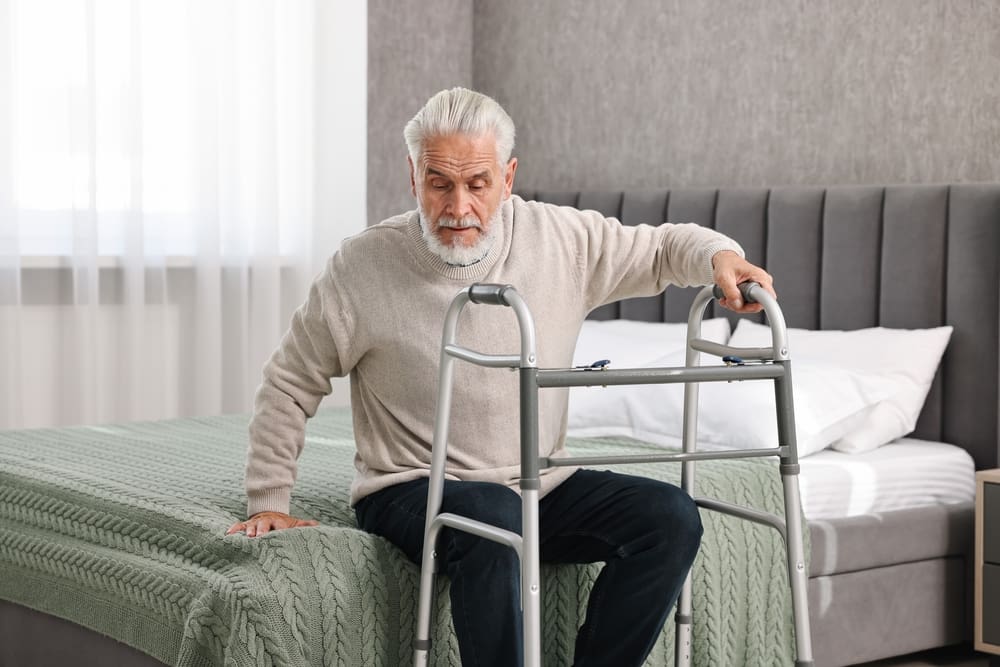
Coming home after surgery, an injury, or an extended hospital stay can be a major milestone, but it can also reveal accessibility problems you may not have noticed before. Steps that were once easy to navigate can suddenly become difficult. Getting in and out of the shower may require assistance. Even moving between floors can become a challenge during recovery.
Preparing your home before discharge can make the transition safer and easier for both you and your caregivers. At All American Mobility, we help families identify accessibility barriers and find practical solutions based on how long assistance is expected to be needed.
Start Planning Before You Leave the Hospital
Whenever possible, begin preparing the home before discharge day. Your hospital’s care team, physical therapist, or occupational therapist may provide recommendations based on your expected mobility during recovery.
Walk through the home with those recommendations in mind. Pay particular attention to:
- How you will enter and exit the home
- Stairs between essential living areas
- Bathroom access
- Bedroom location
- Narrow doorways or hallways
- Changes in floor height
- Space for a walker or wheelchair
- Areas where a caregiver may need to assist you
The goal is not necessarily to remodel the entire house. It is to identify the barriers most likely to interfere with a safe recovery.
Make Sure You Can Safely Enter Your Home
The first challenge may occur before you even get through the front door.
Someone who temporarily needs a wheelchair, walker, or additional assistance may have difficulty navigating porch steps or stairs leading from a garage.
A wheelchair ramp can provide a gradual, accessible route into the home. Depending on the property and expected duration of use, a modular ramp may be installed without permanently altering the home.
For entrances where there isn’t enough space for a properly designed ramp, a vertical platform lift may be a better option. Platform lifts move a wheelchair or mobility device vertically between different elevations and can be particularly useful for elevated porches and entrances with limited available space.
Our guide to Vertical Platform Lifts vs. Wheelchair Ramps provides a closer comparison of these two options.
Create a Safe Path Through the Home
Once inside, look at the route between the areas you will use most frequently.
Remove unnecessary furniture, electrical cords, loose rugs, and other objects that could become obstacles. Make sure there is enough room to comfortably use a walker or wheelchair.
Lighting is important as well. Hallways, stairways, bathrooms, and the route between the bedroom and bathroom should be well illuminated, particularly at night.
The Agency for Healthcare Research and Quality’s home safety checklist recommends addressing hazards such as unsafe stairs, missing railings, poor lighting, loose rugs, clutter, and uneven walking surfaces to reduce fall risks in the home.
Think Carefully About Stairs
Stairs can become one of the biggest obstacles following a hospital stay.
If the bedroom or bathroom is on another floor, consider whether the person returning home can safely use the stairs during recovery. Simply relying on someone else for physical assistance may not always be a safe long-term solution.
A stair lift can provide access between floors without requiring someone to repeatedly climb stairs during recovery.
The expected recovery period matters. If accessibility equipment is only needed temporarily, purchasing may not always be necessary. Our guide to Temporary vs. Permanent Mobility Solutions: When to Rent and When to Buy explains some of the factors to consider.
Pay Special Attention to the Bathroom
Bathrooms combine several potential hazards: water, slippery surfaces, limited maneuvering room, and the need to repeatedly sit, stand, and transfer.
After a hospital stay, these challenges can become especially noticeable.
Depending on the person’s mobility, bathroom improvements might include:
- Properly installed grab bars
- Shower seating
- Handheld showerheads
- Slip-resistant surfaces
- Low-threshold or roll-in showers
- Comfort-height toilets
- Additional space for mobility equipment
For long-term needs, our accessible bathroom remodeling services can address multiple barriers as part of a comprehensive accessibility plan.
You can also read Aging in Place: Modifying Your Bathroom for Maximum Safety and Comfort for additional ideas.
Consider the Caregiver’s Needs Too
Accessibility modifications don’t only benefit the person recovering.
A safer layout can reduce the physical demands placed on a spouse, adult child, home health professional, or other caregiver. Providing adequate space for transfers and eliminating unnecessary obstacles can make daily activities easier for everyone involved.
For someone who requires significant assistance transferring between a bed, wheelchair, or other locations, a ceiling lift may provide additional support while reducing the amount of manual lifting required from caregivers.
Decide Whether Your Needs Are Temporary or Long Term
Not every hospital stay leads to permanent mobility changes.
Someone recovering from joint replacement surgery, for example, may only require additional accessibility for several weeks or months. Other conditions may create long-term mobility needs.
That distinction should influence what you install.
Temporary solutions may make sense when substantial recovery is expected, while permanent equipment may be more appropriate when mobility limitations are expected to continue. In some situations, renting accessibility equipment can provide the necessary support without requiring a long-term purchase.
Our mobility equipment rental options can help address short-term accessibility needs while you recover.
Don’t Wait Until Discharge Day to Discover a Problem
One of the most useful things a family can do is walk through the home before the patient returns.
Imagine completing the entire trip from the vehicle to the place where the person will sleep. Then consider trips to the bathroom, kitchen, and other essential areas.
Can each part of that journey be completed safely?
If you’re unsure, our free in-home accessibility assessment can help identify potential problems before they interfere with recovery. You can read What to Expect During Your Free In-Home Accessibility Assessment to learn how we evaluate a home and recommend appropriate solutions.
Make the Return Home Safer and Less Stressful
Preparing ahead can make the transition from hospital to home much easier. Some families may only need a temporary ramp or stair lift. Others may discover that the hospital stay has accelerated the need for permanent aging-in-place modifications.
Our job is to help determine which solutions actually make sense rather than adding equipment you don’t need.
As a Disabled Veteran Owned Business with CAPS certified accessibility expertise, we help families throughout Virginia create safer, more functional homes based on real mobility needs. You can visit our All American Mobility location in Fredericksburg or contact us to schedule a free in-home accessibility assessment before you or a loved one returns home.