
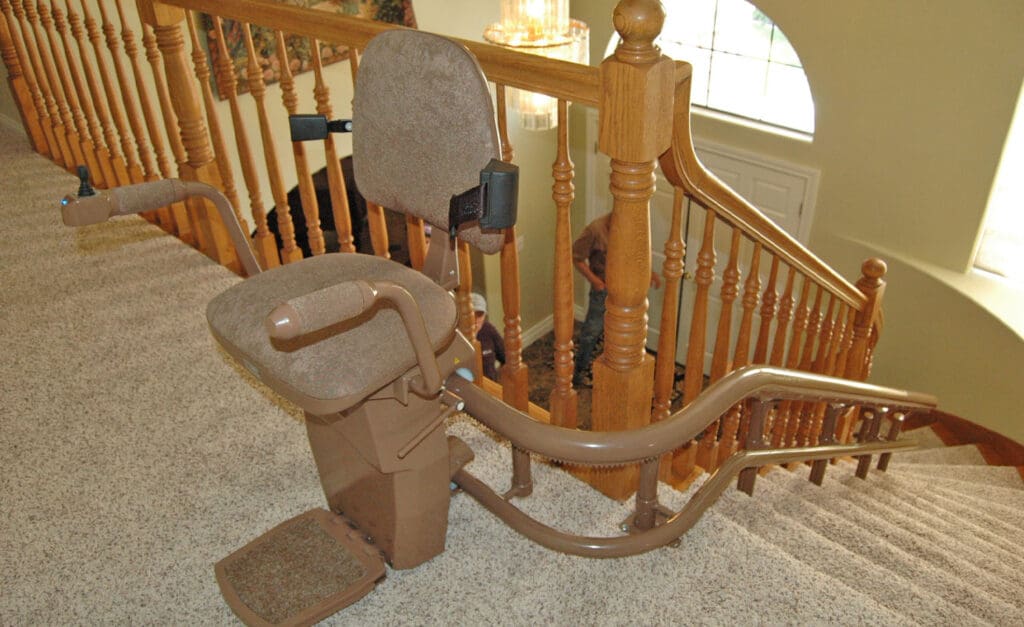
A stair lift is one of the most valuable accessibility investments you can make, allowing you to safely move between floors while maintaining your independence. Like any mechanical equipment, however, stair lifts eventually wear out. While many issues can be repaired, there comes a point when replacement becomes the safer and more cost-effective option.
Knowing when to repair and when to replace your stair lift can help you avoid unexpected breakdowns and keep your home safe and accessible.
How Long Does a Stair Lift Typically Last?
Most quality stair lifts last between 10 and 15 years when properly maintained. The actual lifespan depends on several factors, including how frequently the lift is used, the environment inside the home, and how well routine maintenance has been performed.
Regular inspections and prompt repairs can extend the life of your stair lift, but every mechanical system eventually reaches the end of its service life.
Your Stair Lift Breaks Down Frequently
An occasional repair is normal, especially as equipment ages. If you find yourself scheduling service multiple times a year, replacement may become the more economical choice.
Common recurring problems include:
- Intermittent operation
- Battery failures
- Lift stopping mid-travel
- Faulty safety sensors
- Unusual noises during operation
If repairs are becoming more frequent, replacing the unit often provides greater reliability and lower long-term costs.
Replacement Parts Are Becoming Difficult to Find
Manufacturers eventually discontinue older models. Once replacement parts become limited, repairs may take longer or become impossible altogether.
When parts are no longer readily available, upgrading to a newer model ensures continued manufacturer support and easier future maintenance.
The Lift No Longer Meets Your Needs
Mobility needs often change over time.
A stair lift that worked well several years ago may no longer provide the support you need today. You may require:
- A higher weight capacity
- Easier seat transfers
- Improved safety features
- Simpler controls
- Better seat positioning
Replacing an outdated lift allows you to take advantage of newer designs that improve comfort and accessibility.
You Notice Changes in Performance
Small changes in performance often appear before a complete failure.
Watch for signs such as:
- Jerky movement
- Slower travel speeds
- Excessive vibration
- Grinding or clicking noises
- Difficulty folding or swiveling the seat
These issues should always be evaluated by a qualified technician before they become safety concerns.
New Safety Features Are Available
Today’s stair lifts include features that many older systems did not offer.
Depending on the model, newer lifts may include:
- Improved obstruction sensors
- Battery backup systems
- Smoother starts and stops
- Power folding footrests
- Enhanced seat belt systems
Upgrading can improve both safety and convenience for daily use.
Repairs Cost More Than the Equipment Is Worth
Repairing an aging stair lift sometimes becomes more expensive than replacing it.
If multiple major components need replacement, investing in a new system often provides better long-term value. New equipment also includes warranty protection and current safety technology.
Professional Inspections Help You Make the Right Decision
The best way to determine whether your stair lift should be repaired or replaced is through a professional inspection.
Our technicians evaluate:
- Overall equipment condition
- Rail integrity
- Motor performance
- Battery condition
- Safety systems
- Availability of replacement parts
If repair remains the best option, we’ll explain why. If replacement offers better long-term value, we’ll walk you through the available choices.
If you’re already planning additional accessibility improvements, you may also find our guide on Aging in Place: Modifying Your Bathroom for Maximum Safety and Comfort helpful.
Considering Other Accessibility Solutions
For some homeowners, replacing a stair lift may not be the only option. Depending on your home’s layout and mobility needs, a platform lift may provide a better long-term solution, especially if using a wheelchair or powerchair has become part of daily life.
During a consultation, we can help you compare the benefits of each option and recommend the solution that best fits your home.
Choose a Solution That Keeps You Moving
Your stair lift should provide confidence every time you use it. If it has become unreliable, difficult to repair, or no longer meets your needs, replacing it may be the smartest investment you can make.
At All American Mobility, we help homeowners evaluate their current equipment, recommend practical solutions, and install accessibility products designed for years of dependable use. If you’re ready to discuss your options, visit our Fredericksburg showroom or schedule a free in-home assessment.
Choosing experienced professionals and proven equipment gives you greater confidence in every part of your home accessibility plan. For additional information about preventing falls and improving safety at home, the National Safety Council’s guide to older adult falls provides practical recommendations for maintaining independence.