
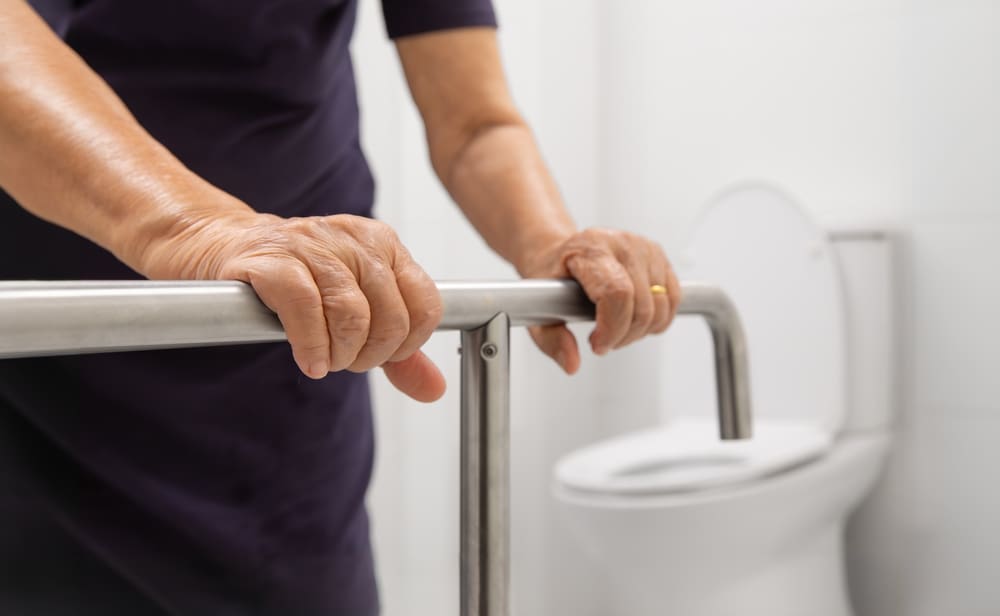
The bathroom is one of the most common places for household injuries. Wet surfaces, tight spaces, and hard flooring increase fall risk, especially as mobility changes. If you plan to age in place, modifying your bathroom early protects your independence and reduces the chance of injury. Smart upgrades focus on stability, accessibility, and long-term comfort.
The Centers for Disease Control and Prevention reports that falls are a leading cause of injury among older adults. You can review fall prevention guidance directly from the CDC.
Before deciding which modifications make sense for your home, it helps to work with professionals who understand aging in place design.
At All American Mobility, CAPS certified specialists evaluate your current bathroom layout and long-term mobility goals before recommending upgrades. As a Certified Aging in Place Specialist, the team focuses on safety, accessibility, and practical design improvements that support independence for years. Homeowners in Fredericksburg can schedule an in-home consultation to review layout challenges and discuss realistic solutions tailored to their space. Once your assessment is complete, the most effective upgrades typically begin with the foundational safety improvements outlined below.
Installing Grab Bars the Right Way
Grab bars provide stability when entering a shower, standing from the toilet, or navigating tight areas. Placement matters more than appearance.
- Install bars near toilets and inside shower walls
- Anchor directly into studs, not drywall
- Position at comfortable heights based on user needs
Professionally installed grab bars support full body weight and improve confidence during transfers.
Walk-In Showers and Low-Threshold Entries
Traditional tubs require stepping over a high edge. That motion increases fall risk. A walk-in shower with a low or zero threshold eliminates that barrier. Pairing this design with a handheld shower head and built-in seating improves comfort and safety.
Slip-resistant flooring inside the shower also reduces hazards. Small design changes make daily bathing safer without sacrificing function. If you are exploring professional remodeling solutions, you can review options through bathroom remodeling.
Comfort-Height Toilets
Standard toilets sit lower than many people realize. A comfort-height toilet reduces strain on knees and hips when sitting or standing. For individuals using mobility aids, the added height makes transfers easier and safer.
Improving Lighting and Visibility
Clear visibility reduces accidents. Add bright, evenly distributed lighting over sinks and showers. Consider motion-activated night lighting for overnight bathroom trips. Improved lighting reduces hesitation and improves balance.
Non-Slip Flooring
Smooth tile becomes slick when wet. Replacing flooring with textured, slip-resistant materials increases traction. If replacing flooring is not possible, anti-slip treatments can improve grip without full renovation.
The Americans with Disabilities Act provides guidance on accessibility standards that influence safe design principles. You can explore design guidance at ADA.gov.
Widening Doorways for Mobility Devices
If a wheelchair or walker is part of daily life, doorway width becomes critical. Expanding narrow door frames allows safer entry and reduces damage to walls and trim. Proper turning radius inside the bathroom ensures mobility devices move without obstruction.
Shower Seating Options
Built-in benches or fold-down seats provide stability during bathing. Seating reduces fatigue and eliminates the need to balance on one foot while washing. Properly installed seating increases comfort and long-term usability.
Planning for Future Needs
Aging in place is not only about today’s mobility. It is about preparing for tomorrow. Installing blocking behind walls during renovations makes it easier to add grab bars later. Choosing layouts with open floor space allows room for future equipment if needed.
Why Professional Guidance Matters
Bathroom modifications require correct measurements, secure anchoring, and understanding of mobility limitations. A professional assessment identifies risk areas and recommends improvements tailored to your home. Thoughtful planning prevents unnecessary renovations and ensures every upgrade supports real-world use.
Creating a Safer Home Environment
Bathroom modifications do not need to feel institutional. Modern materials and thoughtful design blend safety with comfort. By prioritizing stability, lighting, flooring, and smart layout adjustments, you create a bathroom that supports independence for years to come.