
Choosing between renting and buying mobility equipment depends on more than cost alone. Your medical needs, recovery timeline, home layout, and long-term mobility goals all affect which option makes the most sense. Understanding when temporary equipment is practical and when permanent equipment becomes the better investment helps you avoid unnecessary expense and frustration.
Why the Right Mobility Solution Matters
Mobility equipment directly affects your independence, safety, and comfort. Renting can provide flexibility during recovery or short-term situations, while purchasing often delivers better long-term value for ongoing needs.
The key is matching the equipment to the expected duration of use.
When Renting Makes More Sense
Rental equipment is ideal for temporary mobility challenges. If your needs are expected to improve within weeks or months, renting usually provides the most cost-effective solution.
Renting is often the better option for:
- Post-surgical recovery
- Temporary injuries
- Short-term rehabilitation
- Visiting family members with mobility needs
- Trial periods before purchasing equipment
Many people recovering from knee replacements, hip surgery, or accidents only need accessibility equipment for a limited period. Renting avoids the upfront cost of ownership while still improving safety during recovery.
Commonly Rented Accessibility Equipment
Certain products work especially well as rentals because they are easy to install and remove.
Wheelchair Ramps
Temporary modular ramps are common rental solutions. They provide immediate access without requiring permanent construction. These systems work well when mobility limitations are expected to improve over time.
If you want to better understand ramp pricing and long-term considerations, you can review How Much Does a Wheelchair Ramp Really Cost in 2025?.
Stair Lifts
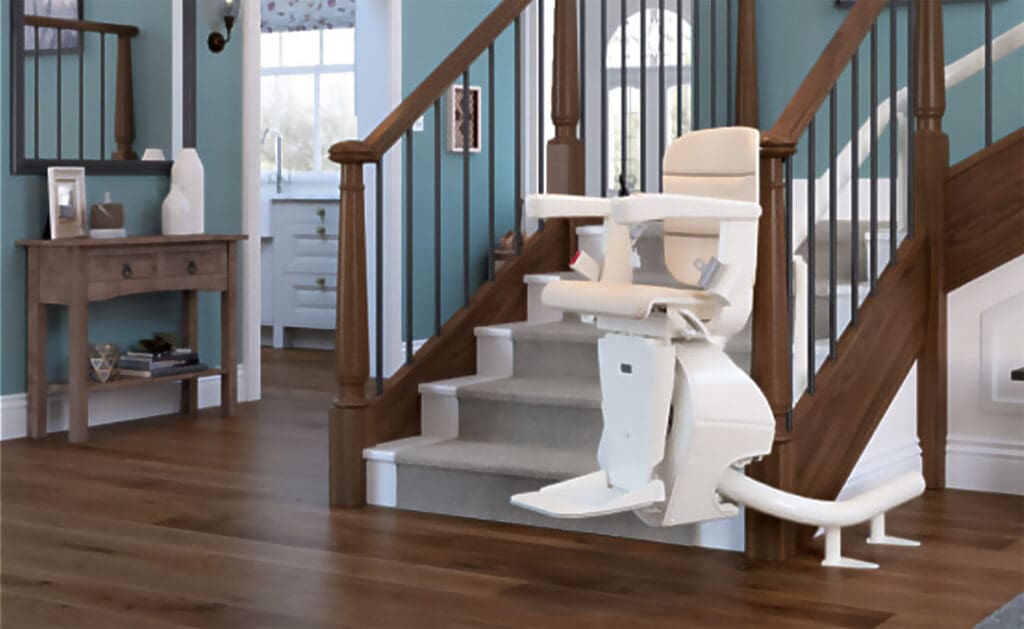
Straight stair lifts are often available as rentals for short-term recovery situations. Renting helps avoid large upfront costs if the lift will only be needed temporarily.
Portable Mobility Equipment
Manual wheelchairs, scooters, and transport chairs are frequently rented for travel, recovery, or temporary accessibility needs.
When Buying Is the Better Investment
Purchasing equipment usually makes more sense when mobility needs are expected to continue long term. Ownership provides stability, customization, and lower overall cost over time.
Buying is often the better choice for:
- Aging in place
- Progressive mobility conditions
- Long-term disability needs
- Permanent home accessibility modifications
- Daily equipment use
If equipment will be used consistently for years, rental costs eventually exceed the value of ownership.
Permanent Accessibility Solutions
Some accessibility upgrades are designed specifically for long-term independence.
Vertical Platform Lifts
Platform lifts are typically permanent installations because they involve electrical work, structural planning, and long-term daily use. They are ideal for homes with elevated entries or limited yard space.
If you are comparing lift systems and ramps, you can also review Vertical Platform Lifts vs. Wheelchair Ramps: Which Is Right for Your Home?.
Bathroom Accessibility Modifications
Walk-in showers, grab bars, widened doorways, and comfort-height fixtures are long-term investments that improve safety and home usability for years.
You can explore available options through our bathroom remodeling services.
Vehicle Mobility Solutions
Vehicle lifts and transfer seating systems are usually purchased because they are customized to the user’s vehicle and mobility device.
Our vehicle mobility solutions help homeowners maintain transportation independence without requiring a full vehicle conversion.
Questions to Ask Before Deciding
Before renting or purchasing equipment, consider:
- How long will the equipment likely be needed?
- Is recovery expected?
- Will mobility needs change over time?
- Does the home support permanent installation?
- Will insurance, grants, or financing apply?
Answering these questions helps prevent spending money on the wrong solution.
Professional Assessments Help You Avoid Costly Mistakes
An accessibility assessment helps determine whether temporary or permanent equipment fits your situation best. Evaluating the home, vehicle, and mobility goals together leads to better long-term decisions.
If you want to understand how professional evaluations work, you can review What to Expect During Your Free In-Home Accessibility Assessment.
Choosing the Right Path for Long-Term Independence
The right mobility solution should support your lifestyle without creating unnecessary cost or limitations. Renting works well for temporary recovery and short-term accessibility needs. Purchasing makes more sense when independence, safety, and accessibility will remain priorities for years to come.
Working with experienced accessibility professionals helps ensure you choose equipment that fits both your current needs and your future plans.
Working with experienced accessibility professionals helps ensure you choose equipment that fits both your current needs and your future plans. For additional guidance on accessible home design and long-term mobility planning, you can review resources from the Administration for Community Living.