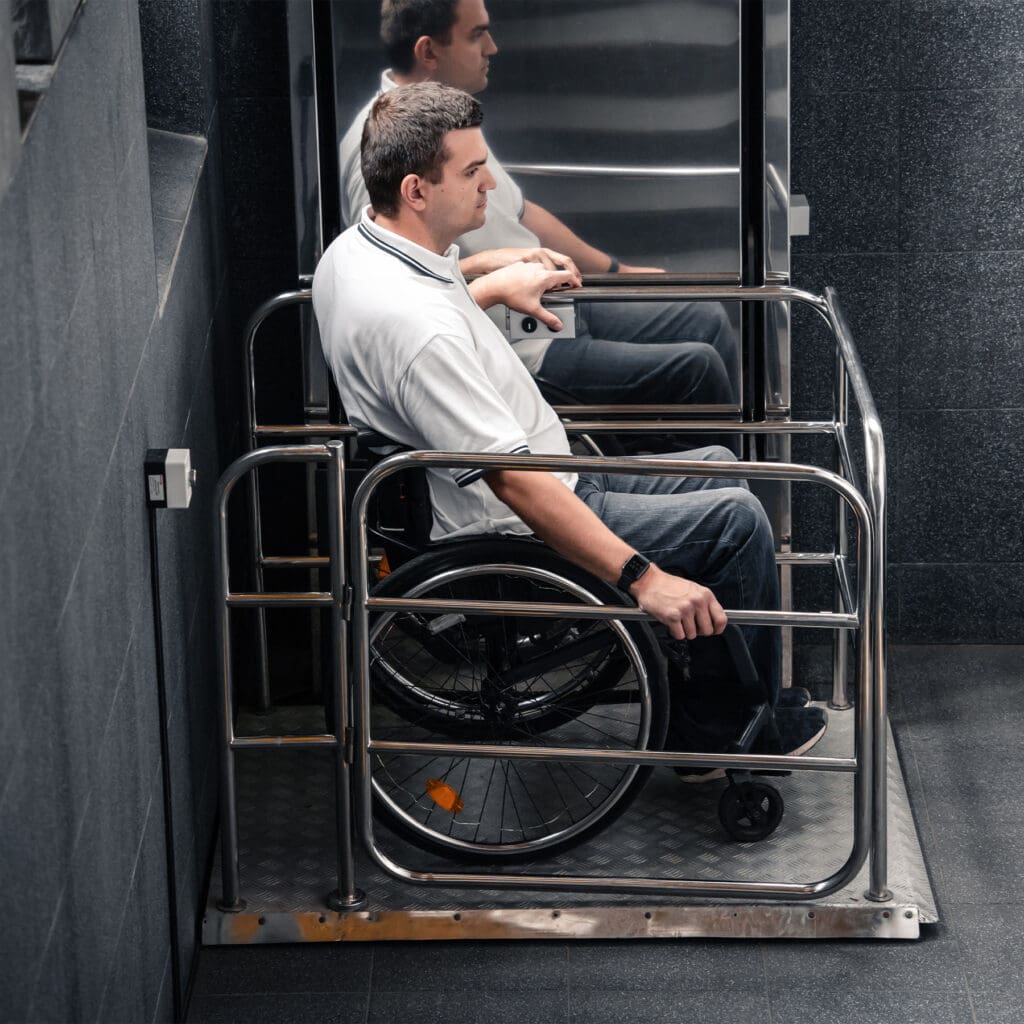
Accessibility upgrades make daily life safer and more manageable, but cost is often the first concern. Ramps, platform lifts, stair lifts, and vehicle accessibility equipment are long-term investments, and understanding your funding options helps you move forward without financial strain. With the right approach, many homeowners combine multiple resources to cover costs responsibly.
Why Planning Matters Before You Buy
Accessibility equipment is not one size fits all. The height of an entry, available space, and the type of mobility device you use all affect the final price. Planning ahead allows you to choose equipment that fits your needs without overspending or replacing solutions later. A professional assessment gives you realistic cost ranges before you explore funding.
Private Pay and Budgeting
Many homeowners choose to self-fund part or all of their accessibility upgrades. This option gives you full control over equipment selection and installation timing. When budgeting, consider:
- Installation and labor costs
- Electrical or site preparation needs
- Long-term maintenance
- Future mobility changes
Choosing quality equipment upfront often reduces repair and replacement expenses later.
Veterans Benefits and Grants
Veterans may qualify for financial assistance through the Department of Veterans Affairs. Programs such as the Specially Adapted Housing (SAH) and Home Improvements and Structural Alterations (HISA) grants can help cover ramps, lifts, and other access improvements when eligibility requirements are met.
You can review current eligibility details and program guidelines directly through the VA at https://www.va.gov/housing-assistance/disability-housing-grants/. This is a strong starting point for veterans planning accessibility upgrades.
State and Local Assistance Programs
Many states and municipalities offer home modification assistance for seniors and individuals with disabilities. These programs may be income-based or tied to specific medical needs. Funding may be limited, but it can significantly reduce out-of-pocket costs.
A reliable place to research local programs and accessibility standards is the ADA resource hub at https://www.ada.gov/resources/, which connects homeowners to government-supported guidance and services.
Virginia offers several programs that can help offset the cost of accessibility upgrades, depending on age, disability status, and income. These resources often support ramps, lifts, and other home modifications that improve safe access. Availability and funding limits vary, so early research matters.
The Virginia Department for Aging and Rehabilitative Services (DARS) provides support for individuals with disabilities, including vocational rehabilitation clients who may qualify for home modifications tied to independence and daily function. Program details and eligibility guidelines are available at https://www.vadars.org/.
Some local governments and nonprofit housing organizations also administer grant or low-interest loan programs for accessibility improvements, especially for seniors aging in place. Because these programs are often administered at the county or city level, availability depends on where you live within Virginia. A professional accessibility assessment helps determine which programs may apply before you begin the application process.
Financing Through Equipment Providers
Some accessibility providers offer financing plans that spread costs over time. This option allows you to install equipment now while managing monthly payments. When reviewing financing:
- Confirm interest rates and total cost
- Ask about early payoff options
- Make sure warranties remain valid
Financing works best when paired with realistic payment planning.
Insurance and Medicare Considerations
Most home accessibility equipment is not covered by traditional insurance or Medicare when installed in a private residence. Exceptions are rare and usually require extensive documentation. Understanding these limitations early prevents delays and unrealistic expectations.
Combining Funding Sources
Many successful projects use more than one funding option. For example, a veteran may apply a grant toward the base installation and finance remaining costs. Others may use savings alongside a local assistance program. Combining resources often leads to better equipment choices and fewer compromises.
Using Funds Wisely
Smart funding decisions focus on long-term value, not just initial price. Equipment that fits properly, meets safety standards, and supports future mobility changes reduces the chance of rework. A professional assessment helps ensure your investment solves the right problems from the start.
Getting Guidance Before You Commit
Before applying for grants or financing, speak with an accessibility specialist at All American Mobility who understands equipment requirements and funding limitations. Feel free to visit our funding page for more information. Clear planning prevents wasted time and helps you choose upgrades that truly support your independence.