
Most homes are designed around the assumption that everyone can easily climb stairs, step into a bathtub, and move through narrow spaces. As mobility needs change, features that once seemed ordinary can become daily obstacles.
You don’t have to wait for a serious fall or injury to make your home more accessible. Often, small changes in how you or a loved one navigates the house are the first signs that improvements may be needed.
At All American Mobility, we help homeowners throughout Virginia identify accessibility challenges and find practical solutions. Here are seven signs that it may be time to evaluate your home’s layout and safety.
1. Stairs Are Becoming Difficult or Unsafe
Difficulty climbing stairs is one of the most recognizable signs that a home may need accessibility modifications.
You might notice yourself using the handrail more frequently, stopping halfway to rest, or avoiding certain floors entirely. Some homeowners begin sleeping downstairs because getting to an upstairs bedroom has become too difficult.
These changes can gradually limit access to important parts of the home.
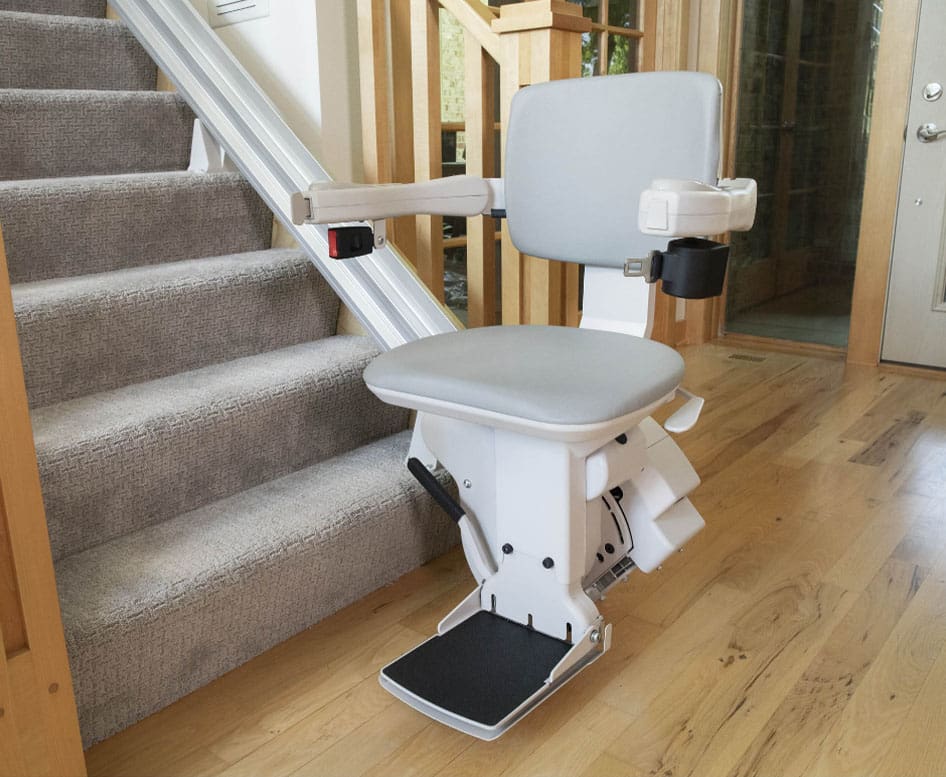
A stair lift may help someone who can safely transfer into a seated position travel between floors without repeatedly climbing stairs.
When evaluating stair accessibility, we consider the staircase configuration, the user’s mobility, and whether the equipment will continue meeting their needs over time.
2. Getting In and Out of the House Requires Assistance
A few steps at the front door or garage may not seem significant until walking becomes difficult or a wheelchair becomes necessary.
If you or a family member needs someone to provide physical support every time you leave the house, your entrance may no longer meet your accessibility needs.
Common warning signs include:
- Difficulty navigating porch steps
- Trouble using a walker on uneven entryways
- Needing assistance to move a wheelchair over thresholds
- Avoiding outings because entering or leaving is exhausting
A wheelchair ramp can create a more accessible entrance. For elevated porches or locations where there isn’t enough room for an appropriate ramp, a vertical platform lift may be a better option.
Choosing the right solution depends on the available space, elevation, and the mobility equipment being used.
3. The Bathroom Feels Unsafe
Bathrooms are particularly challenging when mobility or balance changes. Wet surfaces, bathtub walls, and limited space can make everyday routines difficult.
You may notice someone holding onto towel bars for support, struggling to step into the bathtub, or needing assistance getting on and off the toilet.
These are important signs that the bathroom may need attention.
Depending on the layout, our accessible bathroom remodeling services can incorporate features such as low-threshold showers, properly installed grab bars, shower seating, and additional maneuvering space.
Bathroom modifications don’t always require a complete renovation. The goal is to identify which changes will improve safety and usability.
For more ideas, read our guide to Aging in Place: Modifying Your Bathroom for Maximum Safety and Comfort.
4. Falls or Near-Falls Are Becoming More Frequent
A fall doesn’t have to result in an injury to be a warning sign.
Tripping over a threshold, losing balance while turning, or nearly falling on the stairs can indicate that the home environment is becoming difficult to navigate.
Pay attention to where these incidents occur. Repeated problems in the same area may reveal an accessibility barrier that can be corrected.
Possible improvements include better lighting, secure handrails, eliminating tripping hazards, improving bathroom accessibility, and installing appropriate mobility equipment.
It’s also important to discuss recurring falls or balance changes with a healthcare professional, since medical factors can contribute to fall risk.
5. Doorways and Hallways Are Too Narrow for Mobility Equipment
A home that worked well for someone walking independently may become difficult to navigate with a wheelchair, walker, or other mobility device.
Narrow doorways, tight corners, and furniture arrangements can prevent someone from moving comfortably between rooms.
Common problems include difficulty entering the bathroom, limited turning space near the bed, or needing assistance to maneuver through hallways.
In some situations, rearranging furniture and removing obstacles can improve access. Other homes may benefit from doorway modifications or more extensive accessibility planning.
We evaluate how someone moves through the entire home rather than focusing on a single room. That helps identify obstacles that might otherwise be overlooked.
6. Caregivers Are Struggling with Daily Transfers
When someone needs help getting out of bed, moving into a wheelchair, or using the bathroom, caregiving can become physically demanding.
If family members are regularly lifting or supporting another person’s body weight, it may be time to consider equipment that reduces the need for manual assistance.
A ceiling lift can provide assisted transfers between appropriate locations, depending on the individual’s needs and the home’s layout.
The right equipment can benefit both the person receiving care and the caregiver. It may improve comfort, reduce physical strain, and make everyday routines more manageable.
We explore these challenges further in our article, How Caregivers Benefit from Home Accessibility Equipment.
7. You’re Avoiding Parts of Your Home Because of Mobility Challenges
One of the clearest signs that accessibility modifications may be needed is when someone stops using certain areas of their own home.
Perhaps the upstairs bedroom is no longer practical. The basement laundry room is difficult to reach. The back deck hasn’t been used in months because of the steps.
When mobility limitations begin determining which parts of the home are usable, accessibility improvements deserve consideration.
The solution doesn’t always require major construction. A stair lift, ramp, platform lift, or targeted bathroom modification may restore access to areas that have become difficult to use.
The important question is whether your home still supports the way you want and need to live.
When Should You Start Planning Accessibility Improvements?
Accessibility modifications are often easier to plan before an urgent need arises.
If you’re preparing for surgery, helping an aging parent remain at home, or noticing gradual mobility changes, an early assessment can help identify potential problems.
Some improvements may be temporary, while others should be designed for long-term use. Our article on Temporary vs. Permanent Mobility Solutions: When to Rent and When to Buy explains how to evaluate those choices.
Planning ahead also provides more time to compare options and make informed decisions.
How a Professional Accessibility Assessment Can Help
Recognizing a problem is the first step. Determining the best solution requires understanding the home, the individual, and their daily routines.
As a CAPS certified accessibility provider, we consider current mobility needs along with potential changes in the future.
Our free in-home accessibility assessments help identify:
- Entry and exit barriers
- Stairway accessibility challenges
- Bathroom safety concerns
- Wheelchair and walker maneuvering space
- Caregiver assistance requirements
- Opportunities for long-term improvements
Rather than recommending equipment based on one measurement or obstacle, we evaluate how different parts of the home work together.
You can learn more about our process in What to Expect During Your Free In-Home Accessibility Assessment.
Make Your Home Work Better for Your Needs
Your home should support your independence, not limit it. If stairs, entrances, bathrooms, or everyday transfers are becoming more difficult, those challenges may be signs that accessibility improvements are needed.
As a Disabled Veteran Owned Business with CAPS certified expertise, we help families throughout Virginia evaluate their homes and choose practical accessibility solutions.
Whether you need a single modification or a more comprehensive accessibility plan, we can help you understand your options. Contact All American Mobility to schedule a free in-home assessment or visit our Fredericksburg location to discuss your needs.